What Is Rebar Made Of? Steel, Scrap and the A615 vs A706 Difference
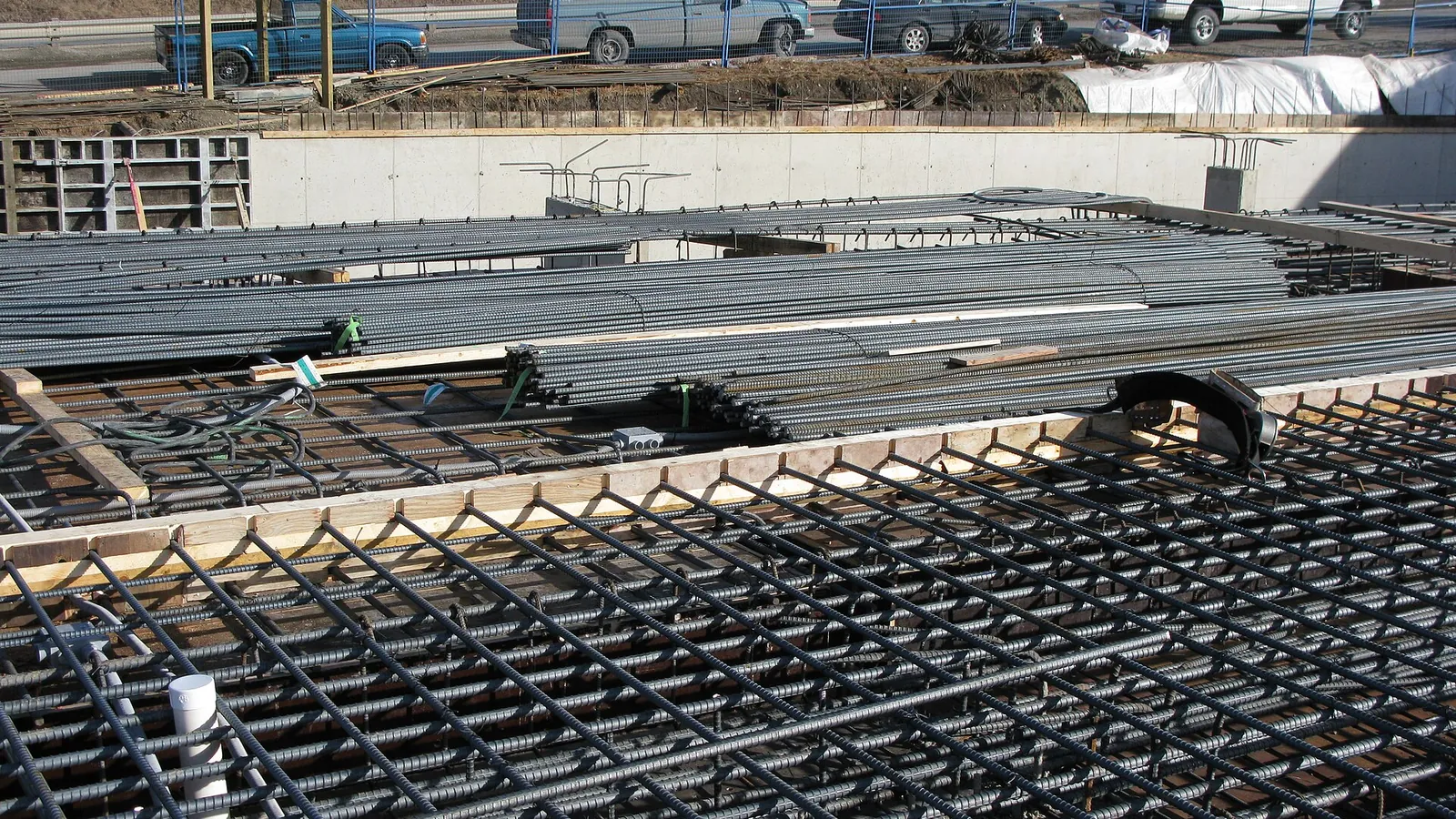
Standard rebar is made of carbon steel: iron with a small amount of carbon, manganese and other elements. In the US most rebar is produced from recycled steel scrap, melted in an electric arc furnace and hot rolled into deformed bars.
How rebar is made
The usual route at a rebar mill looks like this:
- Melting. Scrap steel (old cars, demolished structures, industrial offcuts) is melted in an electric arc furnace.
- Refining. The chemistry of the liquid steel is adjusted to meet the standard the bar is made to.
- Casting. The steel is cast into long square bars called billets.
- Hot rolling. The billets are reheated and passed through a line of rolling stands that reduce them step by step to the bar diameter. The last stand rolls the deformations (the ribs) and the mill marks onto the surface.
- Cooling and cutting. The bars are cooled and cut to stock lengths or coiled.
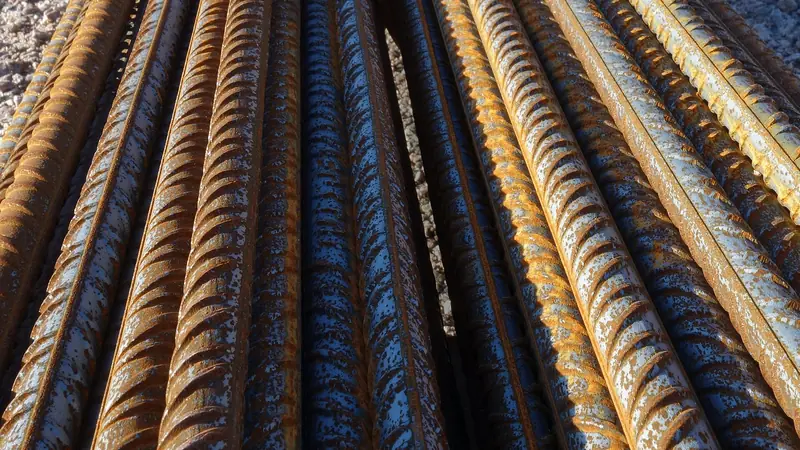
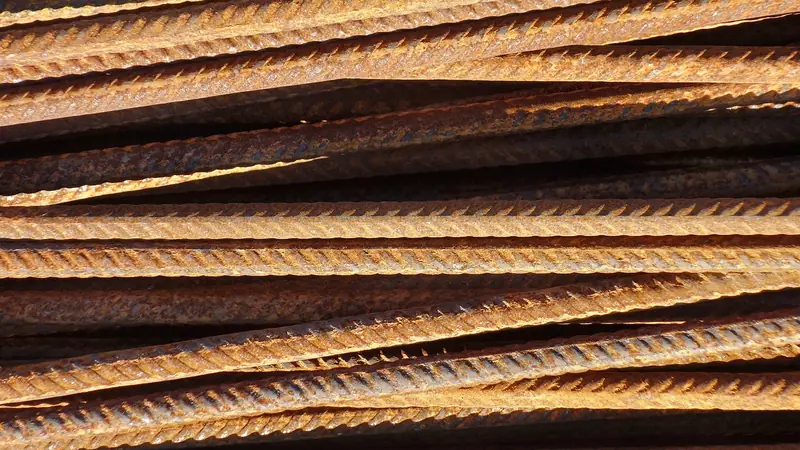
The ribs are what make it "deformed" bar: they lock the steel into the concrete so the two act together. The mill marks show the producer, the bar size, the steel type and the grade; see rebar mill marks for how to read them.
A615 vs A706: same look, different steel
In the US, the two common rebar standards are ASTM A615 and ASTM A706. You will see them in the general notes, for example REINF. SHALL CONFORM TO ASTM A615 GR. 60 or ASTM A706 GR. 60 WHERE WELDED.
| ASTM A615 | ASTM A706 | |
|---|---|---|
| Steel | Carbon steel | Low-alloy steel |
| Chemistry | Few limits on composition | Controlled composition, including a limit on carbon equivalent |
| Strength | Minimum yield by grade, such as 40, 60, 75 or 80 | Minimum and maximum yield, plus a minimum ratio of tensile to yield strength |
| Typical use | Most general reinforcement | Bars to be welded, and members where the code calls for extra ductility, such as some seismic elements |
The controlled chemistry makes A706 bar suitable for welding, and the tighter strength limits make its behaviour more predictable when a member is pushed past yield. Grades in more detail are in rebar grades.
Other materials you may see
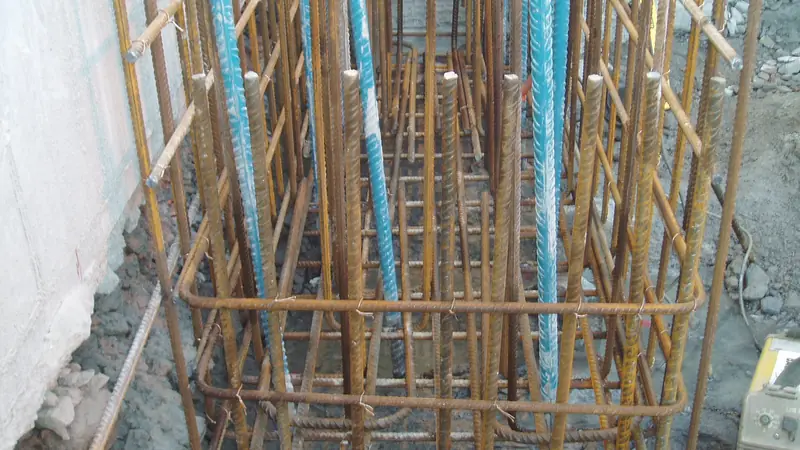
Not all reinforcement is plain carbon steel. Drawings may call for epoxy-coated, galvanized or stainless steel bars where corrosion is a concern, and in some cases glass fiber reinforced polymer (GFRP) bars. Each has its own standard and its own line in the estimate; see coated rebar types and the GFRP rebar article in this library.
A common mistake
The common mistake is pricing or ordering everything as A615 when the notes call for A706 for some elements. The bars look the same on site, and the only way to tell is the mill mark and the mill certificate. Read the general notes for phrases such as "where welded", "special moment frames" or "boundary elements", and give those bars their own line. The reverse is also an error: assuming any bar can be welded. Welding A615 bar needs the engineer's approval and a procedure that suits its chemistry; see can you weld rebar.
Frequently asked questions
Is rebar made from recycled steel?
In the US, most of it is. Rebar mills typically melt scrap steel in electric arc furnaces, and the bars can be recycled again at the end of the structure's life.
Is rebar iron or steel?
Steel. Steel is iron with a controlled amount of carbon and other elements, and that control gives it the combination of strength and ductility that reinforcement needs.
Does A706 rebar weigh the same as A615?
Yes. Both standards use the same bar sizes and the same nominal weights per foot, so a #5 bar is 1.043 lb/ft in either one.
This article explains general practice for learning purposes. On a real project, the drawings, the general notes and the governing code always win.