Can You Weld Rebar? A706 vs A615 and AWS D1.4
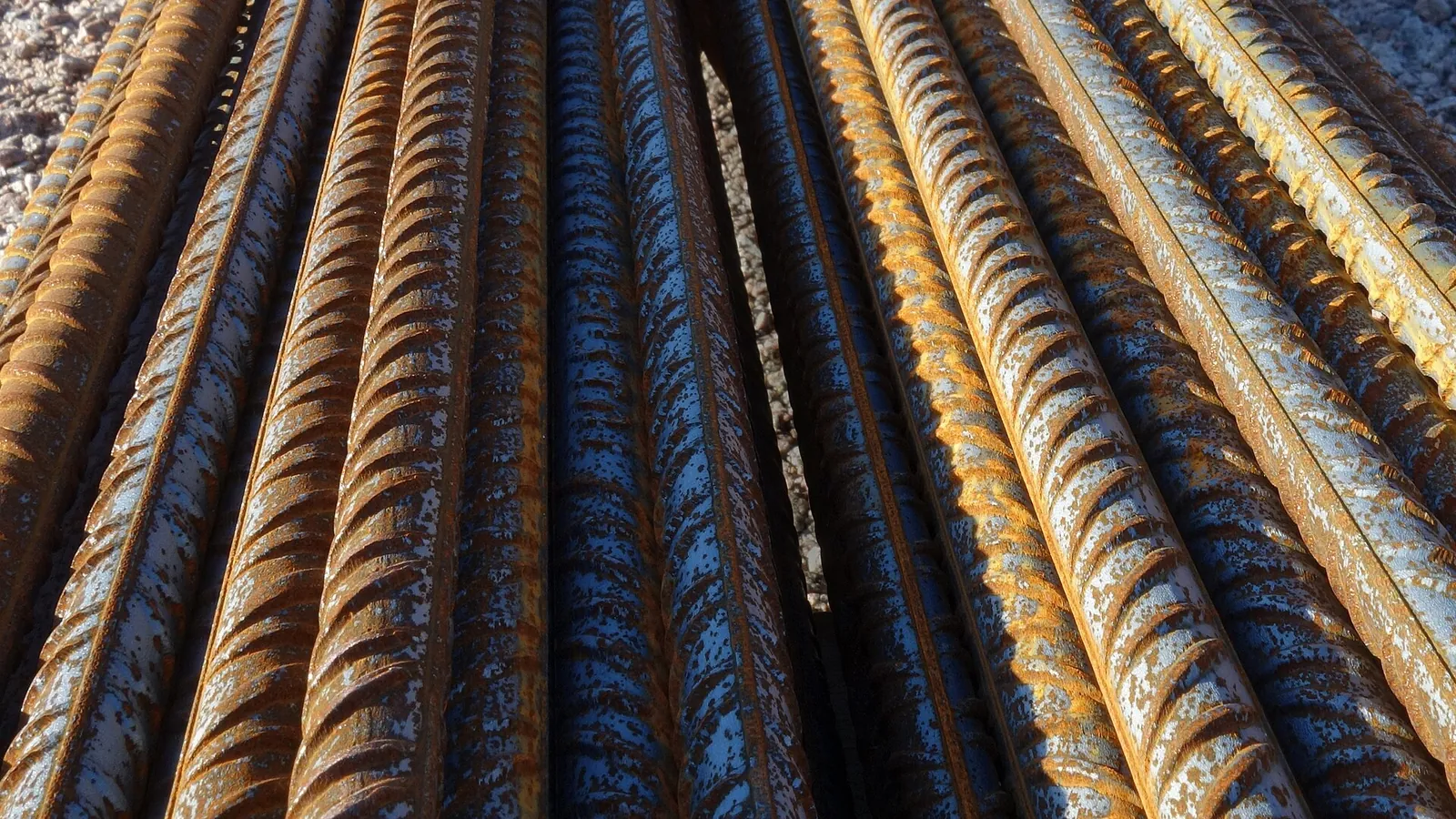
You can weld rebar only where the structural engineer allows it, and the welding must follow AWS D1.4, the structural welding code for reinforcing steel. ASTM A706 bars are made to be welded; ASTM A615 bars, the common type, are weldable only if their chemistry permits it under the procedures that D1.4 requires.
Why rebar is not like plain structural steel
Rebar's strength comes partly from its chemistry, especially carbon and manganese. Higher carbon content makes steel harder to weld: the heat-affected zone next to the weld can become brittle and crack. To judge this, welding codes use a carbon equivalent (CE): one number calculated from the steel's chemical composition. The higher the CE, the more preheat and care the weld needs, and above a certain level the bar is a poor candidate for welding at all.
| Bar type | Chemistry | Welding |
|---|---|---|
| ASTM A706 | Controlled; the standard limits carbon equivalent (0.55 percent maximum) | Intended for welding, per AWS D1.4 |
| ASTM A615 | Not limited for weldability | Only after checking chemistry on the mill test report, with the preheat and procedure that AWS D1.4 sets |
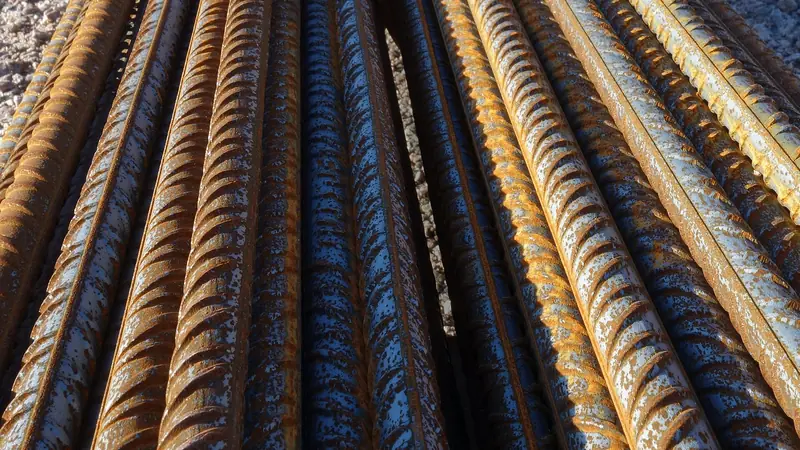
The type letter rolled on the bar tells you which one you have: W for A706, S for A615. The rebar grades article covers the marks in more detail.
Where you see it in practice
- General notes: the drawings state whether welding is allowed and which bars are A706. Many projects say outright that welding of reinforcement is not permitted unless shown.
- Details: welded splices, welded anchor plates or embeds show the weld and the bar spec in the detail.
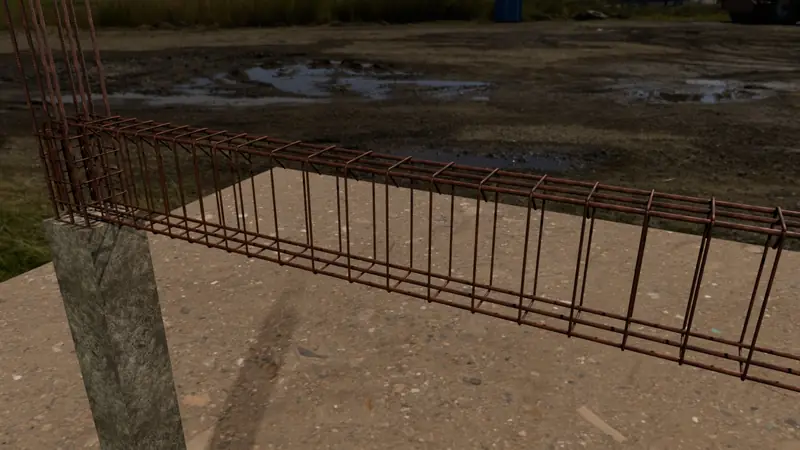
- Tack welding: ACI 318 does not permit welding of crossing bars to hold cages together unless the licensed design professional authorizes it. A small tack weld can damage a bar that is otherwise fine.
Worked example: reading the mill test report
Before an A615 bar is welded, someone has to look up its chemistry. On the mill test report for the heat number stamped on the bundle tag, you find carbon, manganese, copper, nickel, chromium, molybdenum and vanadium percentages. The welding procedure, prepared under AWS D1.4, uses those values to compute CE and set the minimum preheat for that bar size. If the report is missing, the bar's chemistry is unknown and the welder cannot simply guess. Decisions on procedure belong to the engineer and the qualified welding inspector, not the field.
A common mistake
Assuming "steel is steel" and tack-welding a cage or an extension bar without approval. Another is replacing a specified mechanical splice or lap with a weld to save time. If bars need to be joined and lapping is not practical, look at mechanical couplers or ask the engineer, rather than welding on the spot.
Frequently asked questions
Is A615 rebar weldable?
Sometimes. A615 does not control chemistry for weldability, so each heat must be checked against the AWS D1.4 requirements using the mill test report. Many engineers specify A706 wherever welding is planned to avoid the question.
Can you tack weld rebar cages?
Not unless the engineer authorizes it. ACI 318 does not permit welding of crossing bars for assembly without that approval, because tack welds can weaken the bar.
What is the code for welding rebar?
AWS D1.4, the American Welding Society's structural welding code for reinforcing steel. The project specifications and the engineer decide where it applies.
This article explains general practice for learning purposes. On a real project, the drawings, the general notes and the governing code always win.