Why It Fell · Forces Explained · No. 17
Earthquakes
Where They Come From, and Why Buildings Fall
 Video coming soon. Full article below
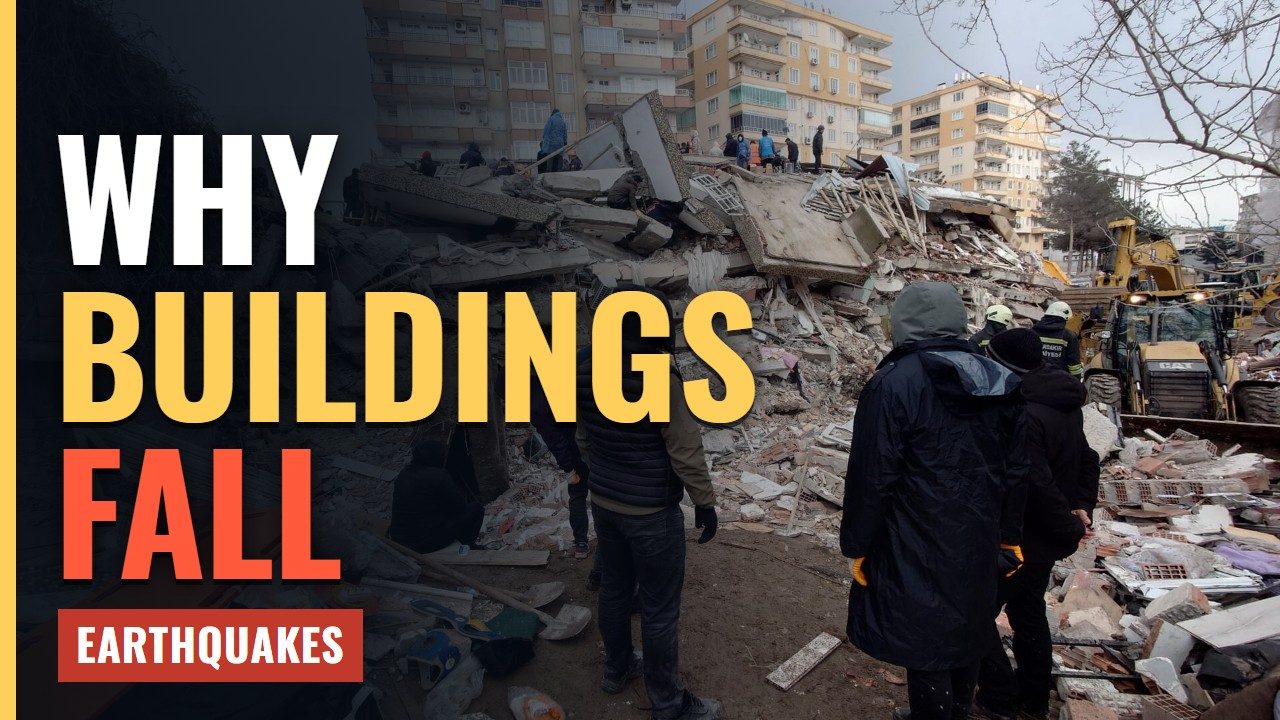
What is an earthquake, where does it come from, and why does it destroy some buildings and leave the ones next to them standing?
Plates, faults, focus and epicentre, the three kinds of waves, what magnitude really means, and examples from Chile, Japan, Turkey, Haiti and Mexico City. Then the engineering: inertia, resonance, ductility and base isolation. The earthquake is nature. The disaster is engineering.
The full story
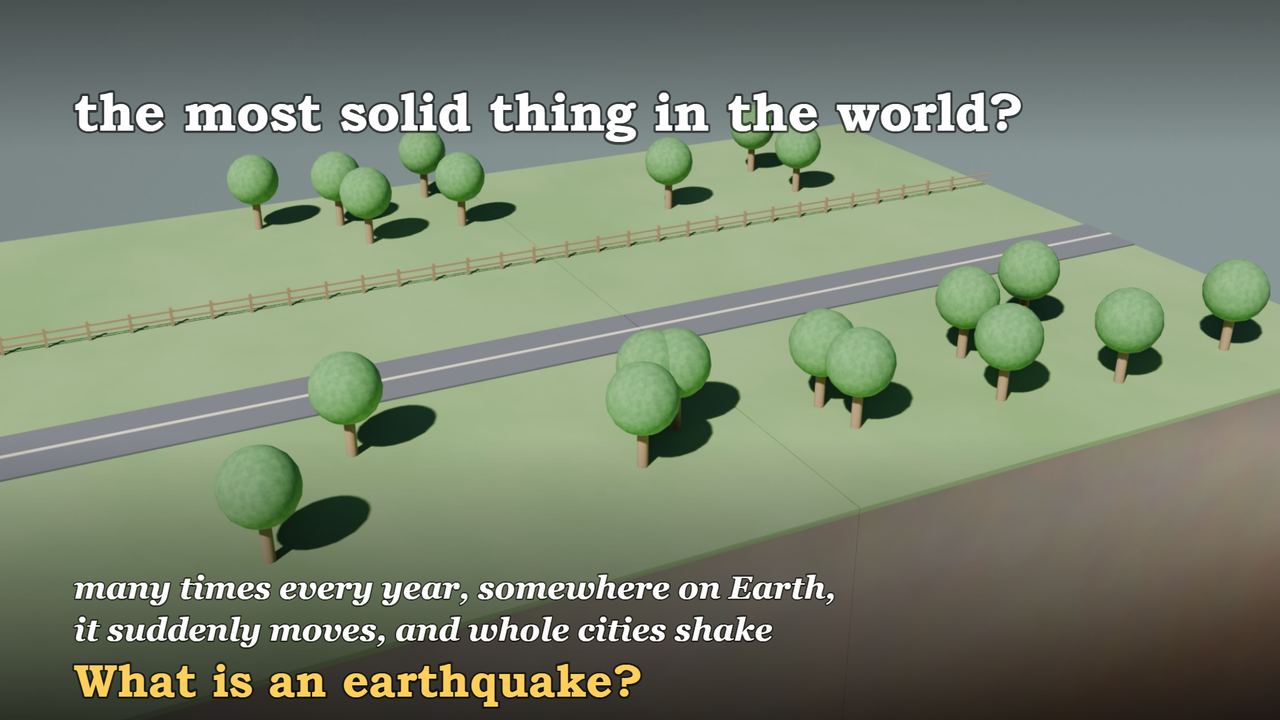
The ground under your feet feels like the most solid thing in the world. But many times every year, somewhere on Earth, it suddenly moves, and whole cities shake. What is an earthquake, where does it come from, and why does it destroy some buildings, and leave the ones next to them standing?
The outer shell of the Earth is not one piece. It is broken into large plates of rock, and they move, very slowly: a few centimetres a year, about as fast as your fingernails grow. Where two plates meet, they do not slide past each other smoothly. The rock is rough, and they get stuck.
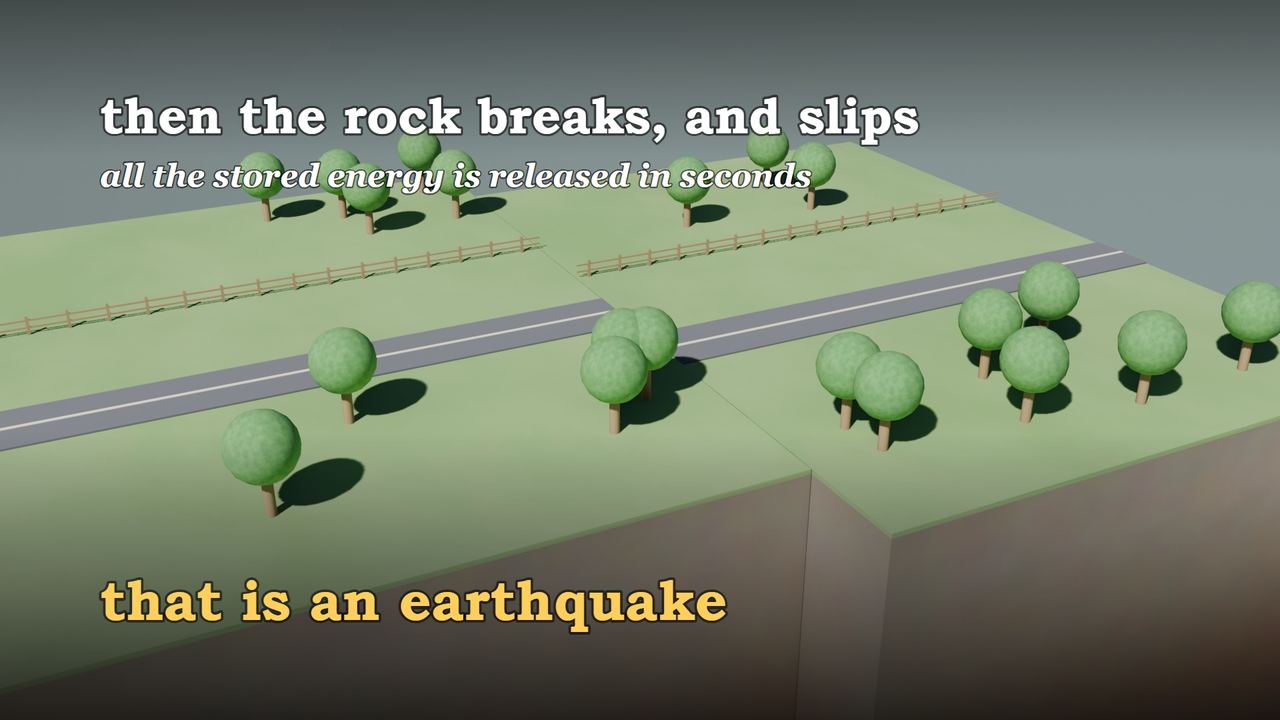
The plates keep moving, but the edges are locked. So the rock bends, and stores energy, like a spring that is being pressed. This can go on for tens or hundreds of years. Then, at one moment, the rock breaks and slips. All the stored energy is released in seconds. That is an earthquake. The surface along which the rock slips is called a fault.
The point deep in the ground where the slip begins is called the focus. The point on the surface directly above it is the epicentre. From the focus, waves travel out through the rock in all directions. The first to arrive are fast waves that push and pull. Then come slower waves that shake the ground from side to side. And last, waves that roll along the surface. These are usually the ones that do the most damage.
How big is an earthquake? The number you hear on the news is the magnitude. It measures the energy that was released. And the scale is not a simple one. Each step up means about thirty-two times more energy. So a magnitude seven is not a little stronger than a six. It releases about thirty-two times the energy, and a magnitude eight about a thousand times.
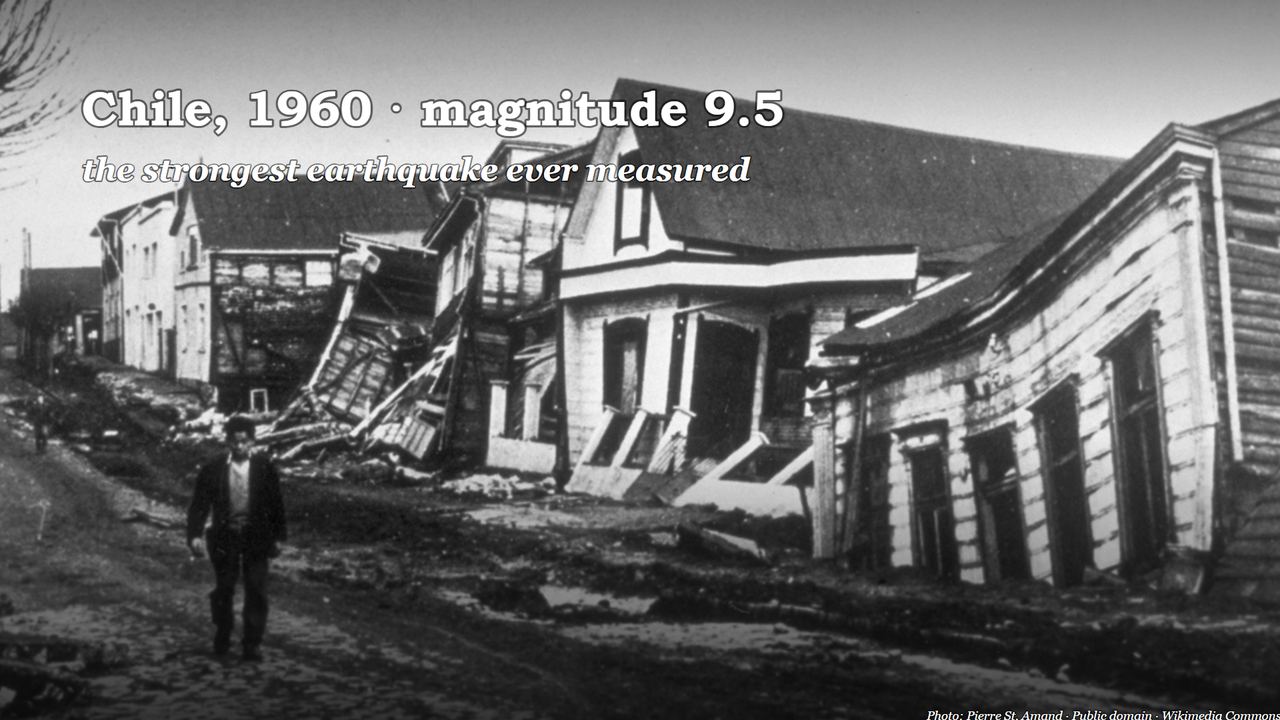
The strongest earthquake ever measured was in Chile, in 1960: magnitude 9.5. The fault broke along nearly a thousand kilometres. In 2011, a magnitude 9 earthquake off the coast of Japan moved the sea floor and sent a tsunami onto the land. And in 2023, a magnitude 7.8 earthquake in Turkey and Syria killed more than fifty thousand people, most of them inside buildings that collapsed.
And that is the important point. Earthquakes almost never kill people directly. Buildings do. In 2010, an earthquake of magnitude 7 struck Haiti, and by most estimates it killed more than a hundred thousand people. A few weeks later, a far stronger earthquake, of magnitude 8.8, struck Chile. It killed about five hundred. The difference was not in the ground. It was in the way the buildings were built.
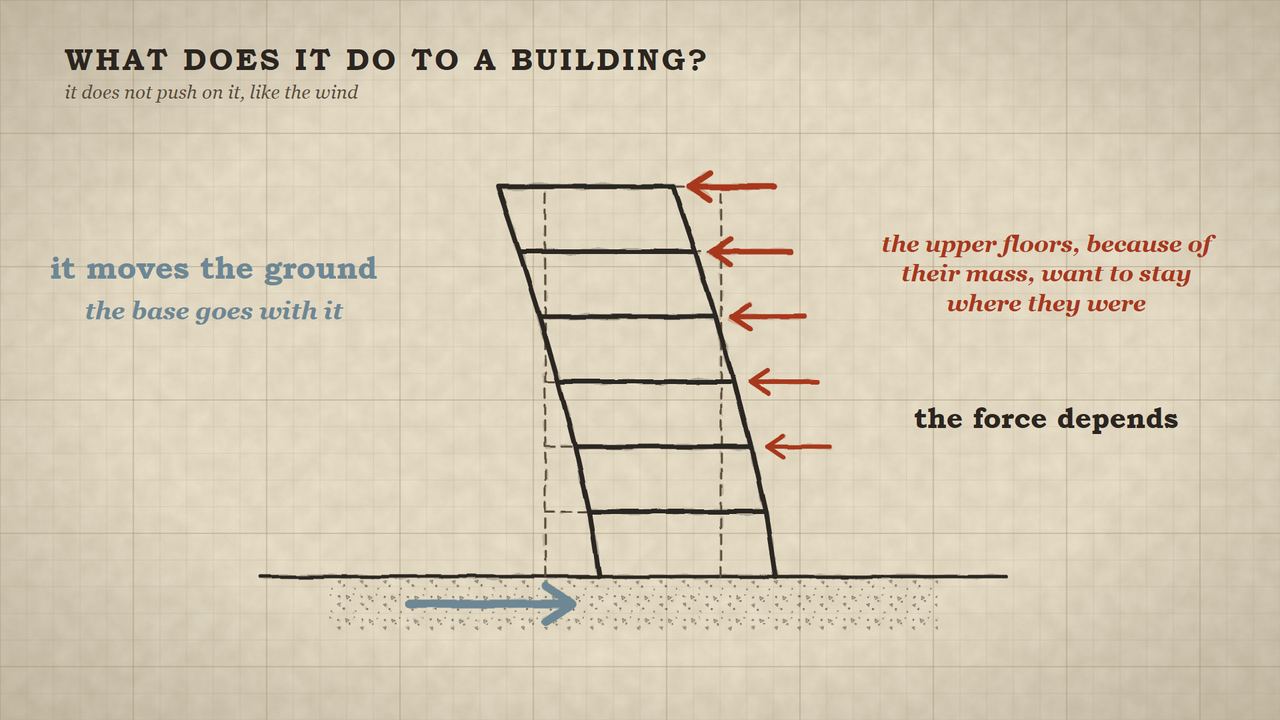
So what does an earthquake do to a building? It does not push on it, like the wind. It moves the ground under it. The base of the building goes with the ground. The upper floors, because of their mass, want to stay where they were. So the building is bent back and forth, and the force on it depends on its own weight. A heavier building gets a larger force.
And every building has its own rhythm of swinging. A low, stiff building swings quickly. A tall one swings slowly. If the ground shakes in the same rhythm as the building, the movement grows and grows. In Mexico City in 1985, the soft soil of an old lake shook slowly, and it was the buildings of medium height, not the lowest and not the tallest, that fell.
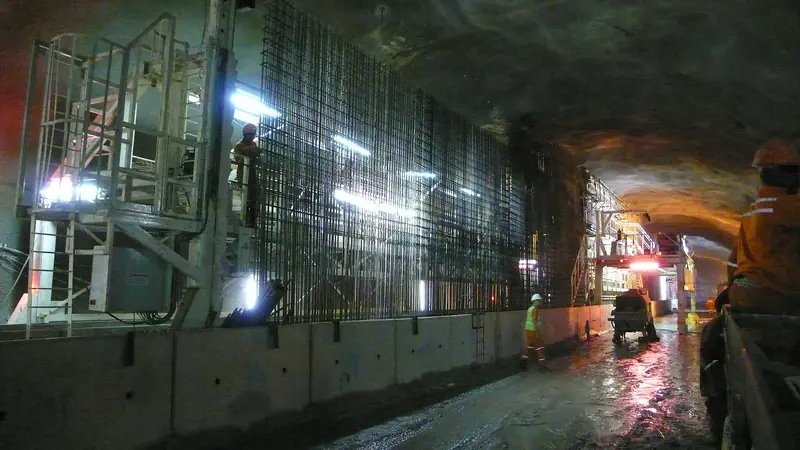
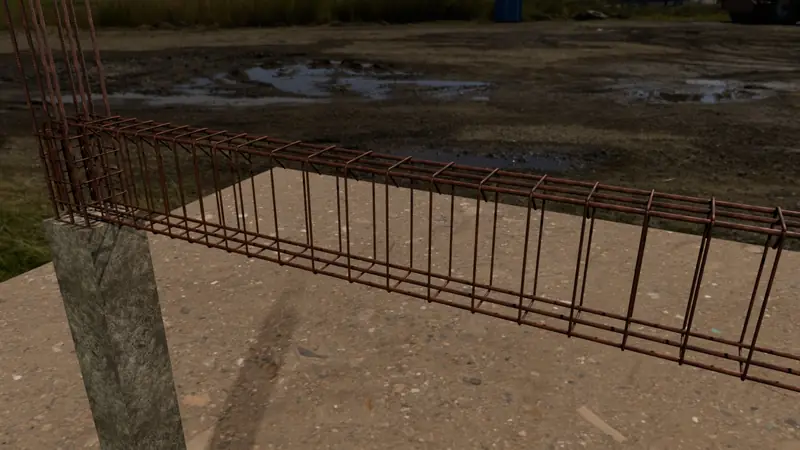
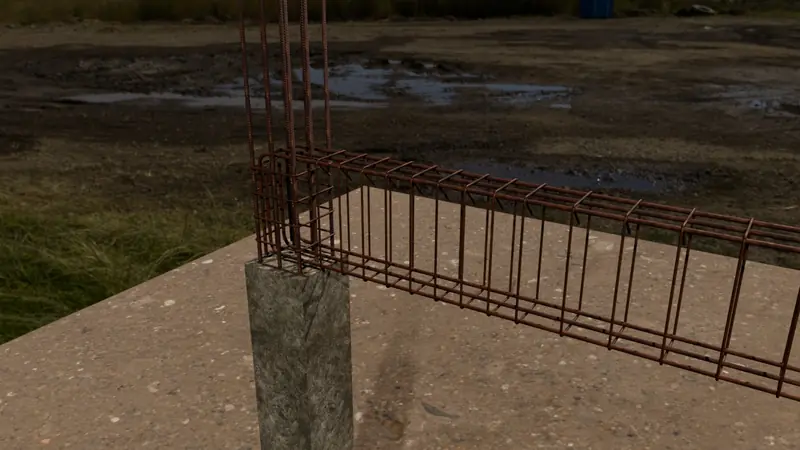
How do engineers answer? Not by making the building too strong to be damaged. That would cost too much. The goal is different: the building may be damaged, but it must not fall. It has to be able to bend a long way without breaking. Engineers call this ductility. It comes from the details: closely spaced steel ties in the columns, strong joints, and no weak, open floor at the bottom.
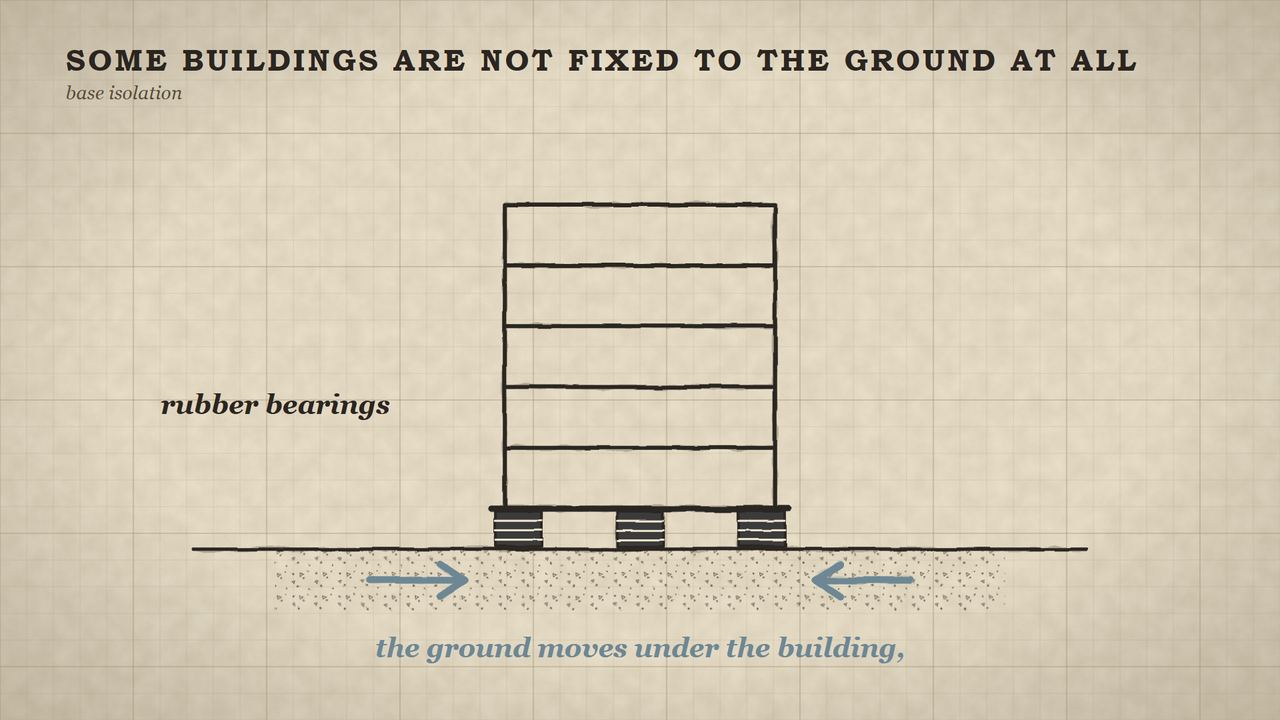
And some buildings are not fixed to the ground at all. They stand on rubber bearings, which let the ground move under them while the building stays almost still.
We cannot stop an earthquake, and we still cannot say when the next one will come. But we know very well how to build so that people walk out alive. The earthquake is nature. The disaster is engineering.
This is The Bending Moment. Thank you for watching.
The Guide
Handed a set of plans and no one to check your takeoff?
How to Read Structural Drawings follows one beam, B2, from the plan to the section, the schedule and the general notes, then decodes it in the six rebar notations you will meet on real sets. Plans, not slides. Takeoffs, not bid theory.
#5H1616ØT16Ø16N1661 pages · 12 exercises with answers · about 100 abbreviations · PDF · one payment
Photo credits
- San Andreas Fault, Carrizo Plain: Ikluft, CC BY-SA 4.0
- Valdivia after the 1960 earthquake: Pierre St. Amand, public domain
- Tsunami damage in Natori, 2011: ChiefHira, CC BY-SA 3.0
- Turkey, 2023: VOA, public domain
- Hotel Continental, Mexico City, 1985: US Geological Survey, public domain
Photos from Wikimedia Commons under the licences listed. All drawings are original.
The narration uses an AI clone of the author's own voice. All drawings are original.