Is Rusty Rebar OK to Use? Light Rust vs Scale and Pitting
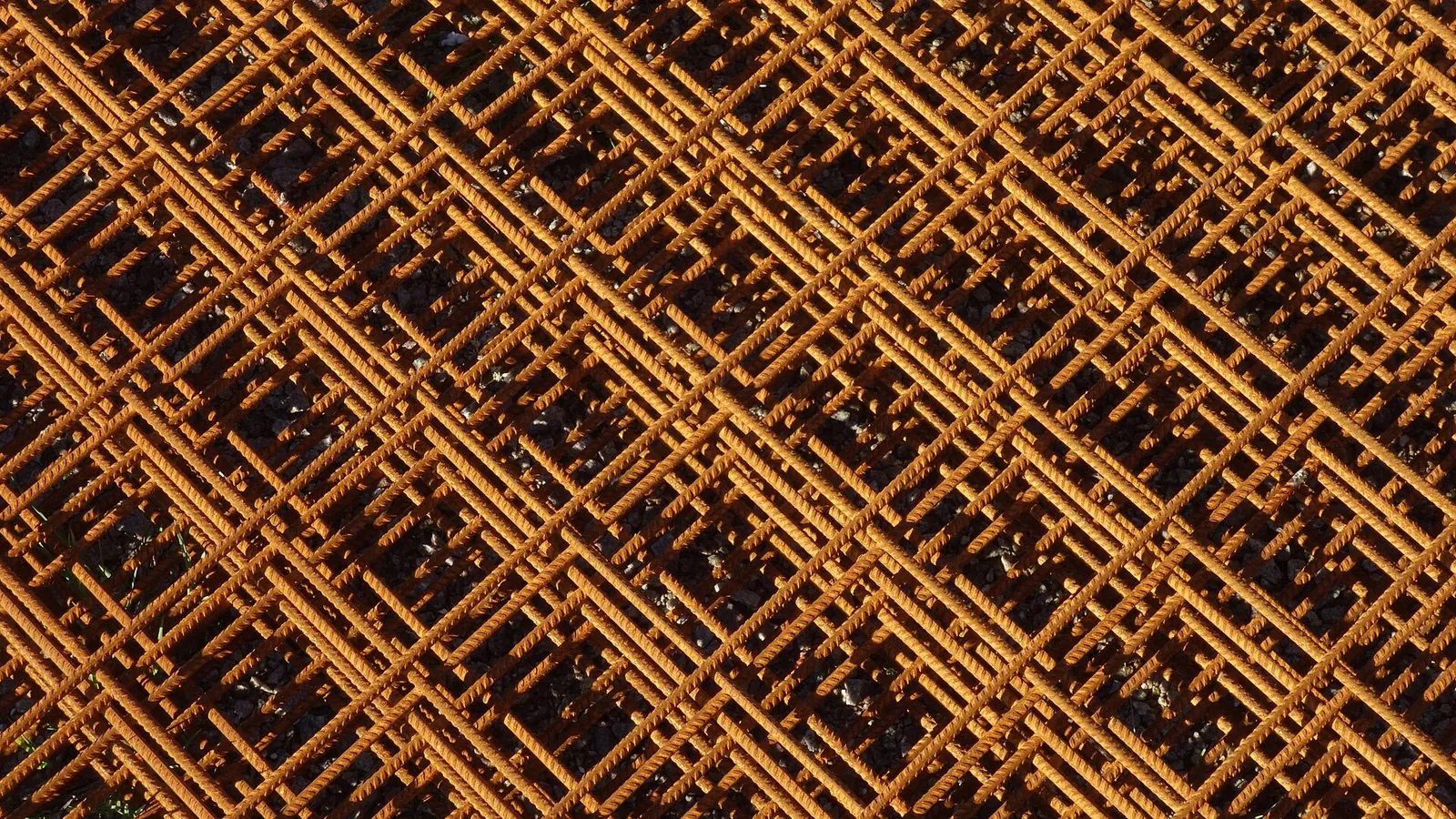
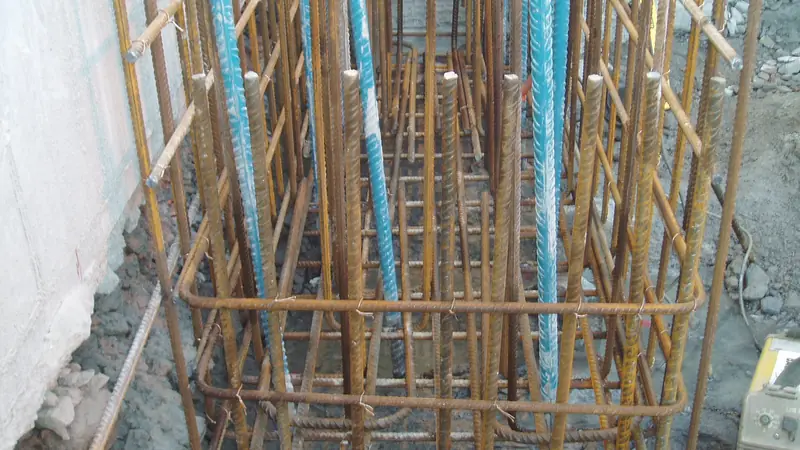
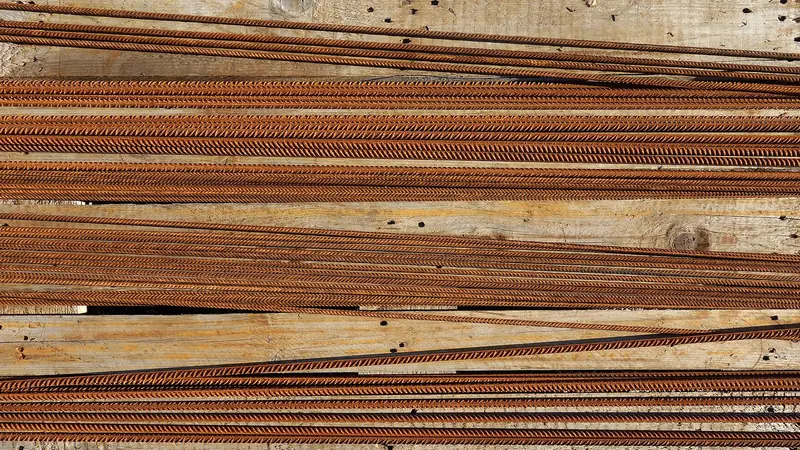
Light, even surface rust on rebar is generally OK. ACI 318 accepts reinforcement with rust, mill scale or both, provided a hand-wire-brushed sample still meets the minimum dimensions (including rib height) and weight required by the applicable ASTM standard.
What the rule actually checks
The test is not "is there rust?" but "has the bar lost steel?". A thin orange film forms on almost every bar stored outdoors for a few days. It does not reduce the bar's section. Heavy rust that flakes off in layers, or pits that eat into the bar and the ribs, can mean the bar is now lighter or its ribs are lower than the standard allows. Rib height matters because the ribs give the bar its grip on the concrete.
| Condition | What you see | Typical action |
|---|---|---|
| Light surface rust | Even orange colour, comes off as dust on a glove | Generally acceptable |
| Mill scale | Thin bluish-grey layer from rolling | Generally acceptable |
| Loose, flaking rust | Layers lift off when struck or brushed | Remove loose material, then check weight and ribs |
| Pitting or section loss | Holes, craters, ribs worn down | Check against ASTM limits; ask the engineer |
| Mud, oil, form release, paint | Coating on the bar | Clean off; ACI 318 requires bars free of these |
How to check a doubtful bar
If a bar looks heavily corroded, the check follows the ACI 318 wording.
- Cut a sample from the bar (or take a bar from the same bundle).
- Hand wire brush it to remove loose rust and scale.
- Weigh it and measure its length. For a #5 sample 2.0 ft long, the nominal weight is 2.0 x 1.043 = 2.09 lb.
- Compare the weight per foot and the rib height to the minimums in the ASTM standard for that bar (A615 or A706).
If the brushed bar passes, it can be used. If it fails, it is rejected or the engineer decides. The rebar sizes and weights chart gives the nominal weight per foot for every size.
Where this matters
Rust before the pour is a different issue from corrosion after the building is in service. Once the bar is inside good concrete with the specified concrete cover, the alkaline concrete protects it. In aggressive environments (de-icing salts, seawater) the engineer may specify epoxy-coated, galvanized or stainless bars; see coated rebar types. Coated bars follow different rules: damage to the coating has to be repaired as the specification requires.
A common mistake
Rejecting a whole delivery because the bars are orange. Light rust is normal and is not a reason to send steel back. The opposite mistake is ignoring bars with flaking scale or deep pitting, often from long storage in standing water, without weighing a sample.
Frequently asked questions
Does rust on rebar weaken the concrete bond?
Light rust is accepted by ACI 318, so it is not treated as a bond problem. Loose, flaking rust is different, because it can separate from the bar, so loose material should be removed before the pour.
Do you have to clean rust off rebar before pouring?
Light, tight rust does not need to be removed. Loose scale, mud, oil and other coatings that would reduce bond do need to be cleaned off.
Is rusty epoxy-coated rebar OK?
Rust on an epoxy-coated bar shows that the coating is damaged at that spot. Coating damage must be repaired or limited according to the project specification, so ask the inspector or the engineer.
This article explains general practice for learning purposes. On a real project, the drawings, the general notes and the governing code always win.