Can You Bend Rebar on Site? What ACI 318 Allows
You can bend rebar on site if the bar is loose, it is bent cold, and the bend is not tighter than the minimum bend diameter. Bars already partially embedded in concrete may not be field bent unless the drawings show it or the engineer permits it, a rule written into ACI 318.
Two different situations
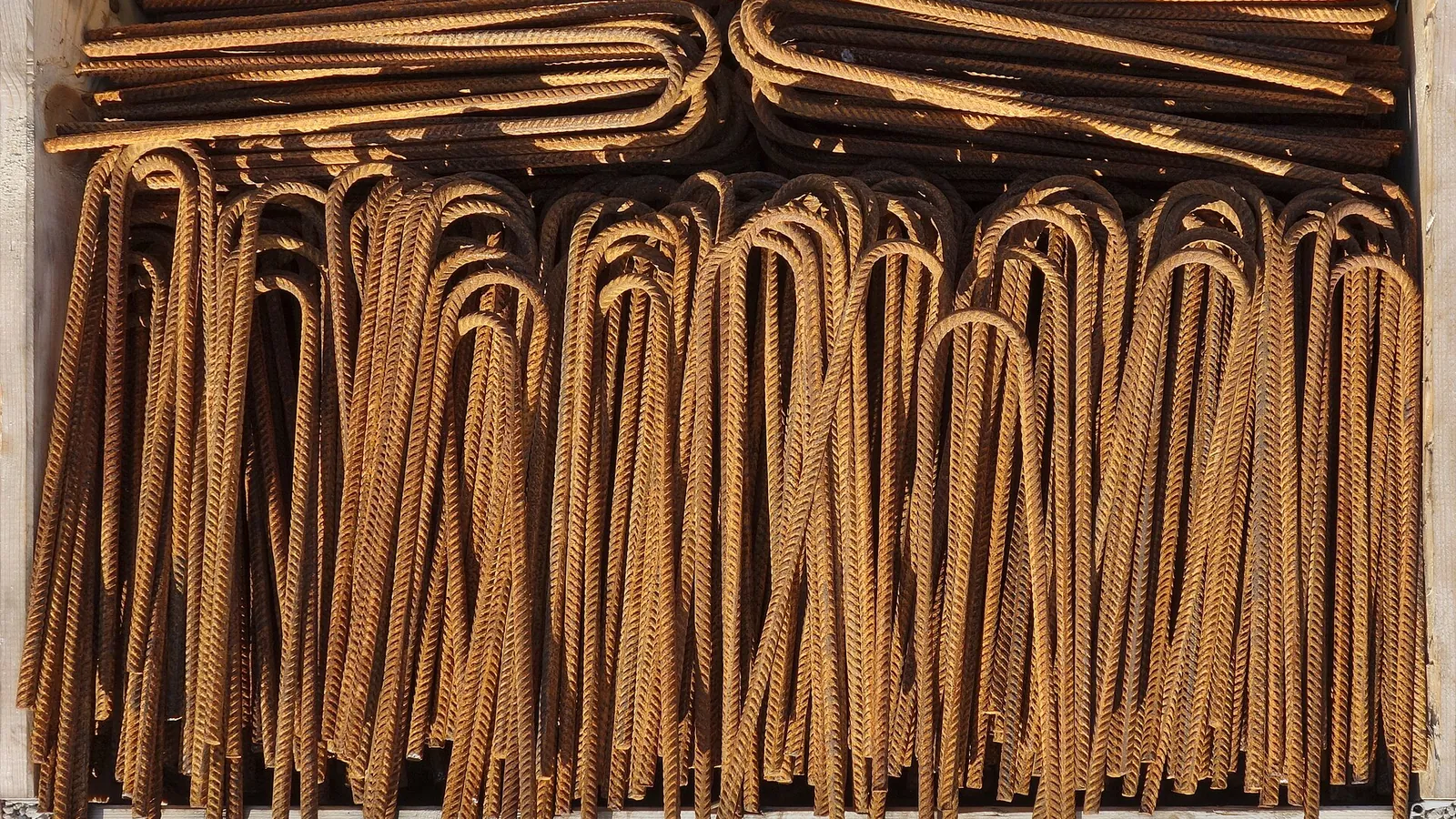
Loose bars. Most bars arrive already cut and bent by the fabricator. Bending a loose bar on site with a proper bender is acceptable when it matches the bar list and the bend diameter is not below the minimum. ACI 318 requires reinforcement to be bent cold before placement, unless the engineer permits otherwise.
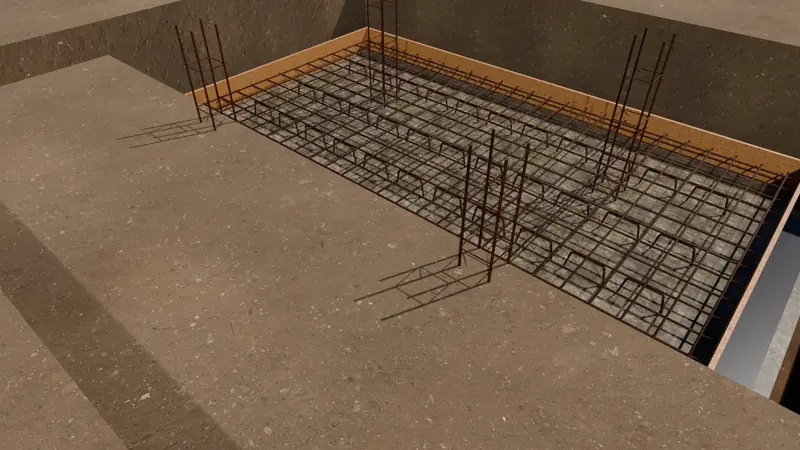
Partially embedded bars. Dowels or starter bars sticking out of a slab or footing are a different case. Bending them, and especially bending them and then straightening them again, can crack the bar at the bend or damage the concrete around it. ACI 318 does not permit field bending of these bars except as shown in the construction documents or permitted by the licensed design professional. The engineer may require a specific procedure or may reject it and ask for a different fix, such as a drilled-in dowel.
Minimum bend diameters (typical ACI 318 values)
The inside bend diameter depends on bar size. These are the typical ACI 318 values for standard hooks; the project's general notes and the governing code edition win.
| Bar size | Minimum inside diameter | For the bar shown |
|---|---|---|
| #3 to #8 | 6 bar diameters | #5: 6 x 0.625 = 3.75 in |
| #9 to #11 | 8 bar diameters | #10: 8 x 1.27 = 10.2 in |
| #14 and #18 | 10 bar diameters | #14: 10 x 1.693 = 16.9 in |
| Stirrups and ties, #5 and smaller | 4 bar diameters | #4: 4 x 0.5 = 2.0 in |
A bend tighter than these values over-stretches the outside of the bend and can crack the bar. The hooks and development length article shows how bend diameters relate to hook lengths.
Worked example: checking a site bender
A crew is bending loose #6 dowels, before placement and as shown on the bar list, on a hand bender with a 3.5 in diameter pin.
- Minimum inside diameter for #6: 6 x 0.75 = 4.5 in
- The pin is 3.5 in, less than 4.5 in
- The bends will be too tight. The crew needs a larger pin or a bender set for #6.
What about heating?
Heating a bar to bend it changes the steel's properties, and the effect depends on the temperature and the bar's chemistry. Do not heat-bend bars unless the engineer has approved it and a written procedure is followed.
A common mistake
Bending dowels flat out of the way during a pour and straightening them later, with no approval. It looks harmless, but it is exactly the case ACI 318 restricts. If dowels are in the wrong place, raise it with the engineer before anyone touches them. The construction joints article covers how dowels are meant to be detailed.
Frequently asked questions
Can you bend rebar that is sticking out of concrete?
Only if the drawings show it or the engineer permits it. ACI 318 does not allow field bending of partially embedded bars otherwise, because it can crack the bar or the concrete.
Can you heat rebar to bend it?
Not without the engineer's approval and an approved procedure. Heat can change the strength and ductility of the bar.
What is the minimum bend for #4 rebar?
For a standard hook, the typical ACI 318 minimum inside diameter for #4 is 6 bar diameters, 3.0 in. For a #4 stirrup or tie it is 4 bar diameters, 2.0 in.
This article explains general practice for learning purposes. On a real project, the drawings, the general notes and the governing code always win.